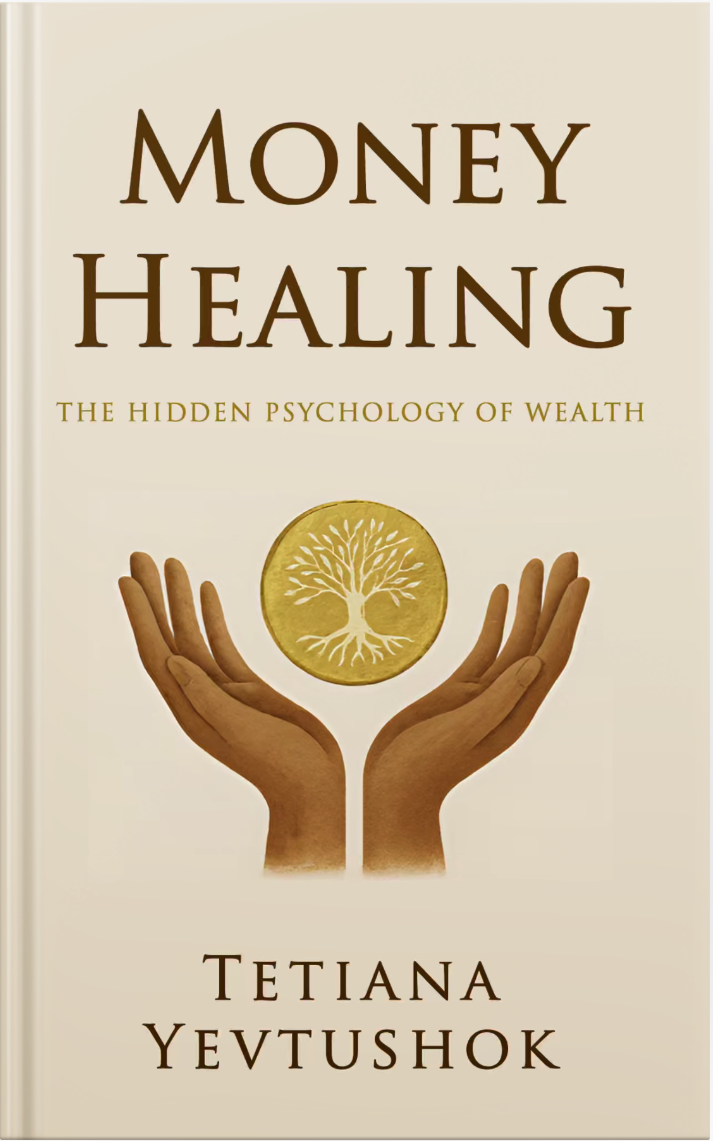
Money as a psychological field
The psychology of money explores how emotional patterns, relational histories, and unconscious assumptions shape financial behaviour over time — often outside conscious awareness. It is concerned less with how to earn more, and more with how people live with money: how they carry it, resist it, depend on it, fear it, or attempt to escape it.
Within the broader frame of psychological sustainability, work with money focuses on maintaining inner coherence, ethical clarity, and decision-making capacity under financial responsibility — including the ways chronic stress or anxiety gradually accumulate around money-related choices.
A Gestalt perspective on meaning, responsibility, and decision-making
From a Gestalt perspective, money is understood as part of the field — shaped by relational experience, social context, and moment-to-moment awareness in contact. Work with money in this approach does not focus on correcting behaviour or imposing goals. Instead, it explores:
– how financial needs emerge
– where energy becomes blocked or fragmented
– how decisions are postponed, rushed, or avoided
– how responsibility is taken, displaced, or resisted
The Gestalt Cycle of Experience provides a practical framework for understanding:
– decision fatigue and financial paralysis
– conflicting desires around security and freedom
– repetitive patterns of over-control or avoidance
– difficulties completing financial actions
This perspective is particularly relevant for people who are capable, reflective, and motivated — yet find themselves stuck, conflicted, or depleted around money-related decisions.